
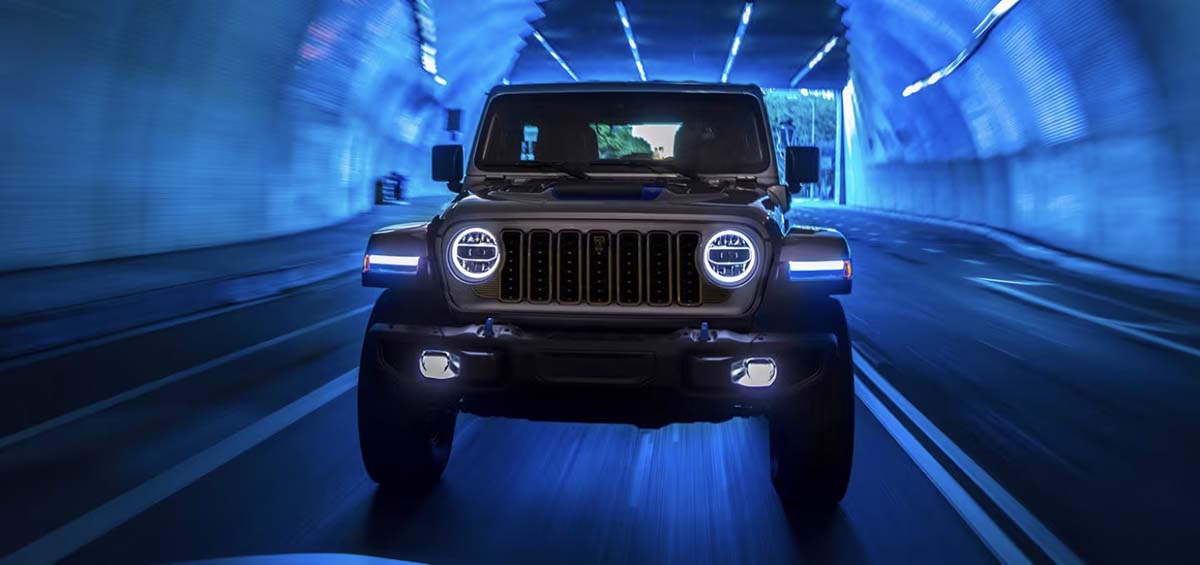
~ A DriveWays Review ~
by Matthew Aukofer
Jeep lovers have always been defined by an adventuresome spirit, individualism and an appreciation for rugged and classic retro designs.
Apparently, they are quite eco-conscious, too.
Jeep offers the popular four-door Wrangler with a variety of engine options. They can be powered by either a traditional, gas-powered internal combustion engine (ICE) or by modern plug-in hybrid vehicle (PHEV) technology.
The PHEV technology, denoted by Jeep’s “4xe” branding, is an available option on nearly every four-door Wrangler trim level. The 4xe label signifies that the vehicle is both four-wheel drive and electrified.
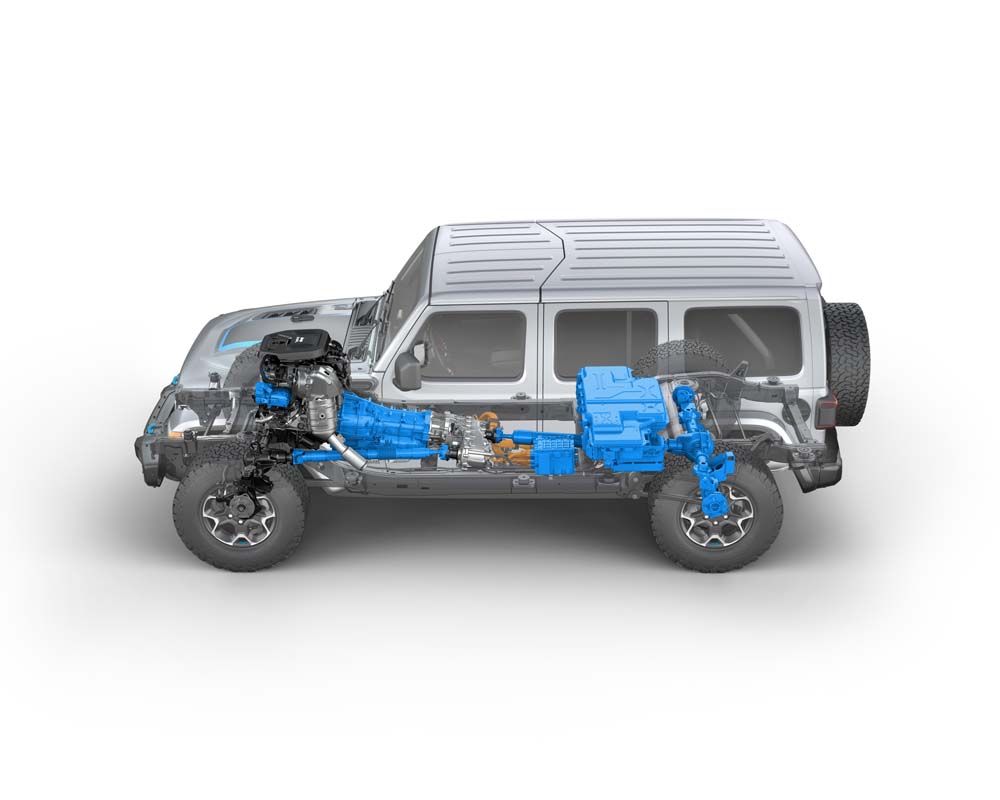
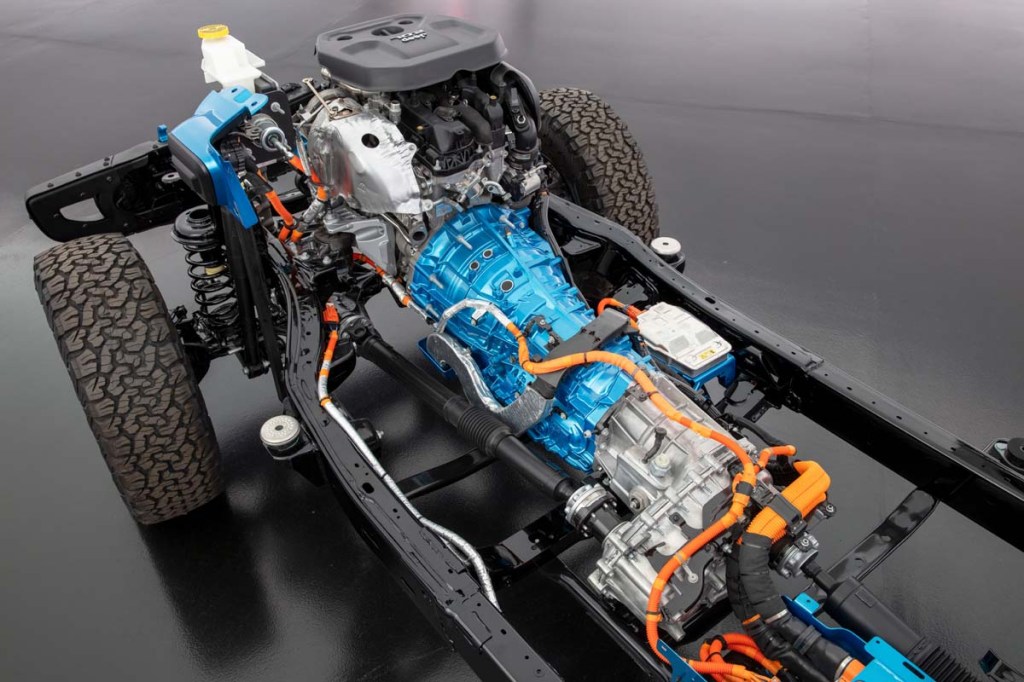

Buyers can add the 4xe option to the four-door Sport S (reviewed here), Sahara, Rubicon, Rubicon X and High Altitude trim levels. The 4xe option adds roughly $15,000 to the bottom-line cost when compared to traditional ICE Wranglers, but Jeep lovers must think it’s worth it as they are flocking to the Wrangler 4xe PHEV.
From December 2023 through February 2024, Jeep sold 3,055 more Wrangler PHEVs (19,156 to be exact) than ICE-powered Wranglers (16,101 sold), according to Wards Auto data.
That flipped the script from the same period the previous year (December 2022 through February 2023) when Jeep sold 12,623 Wrangler PHEVs and 21,101 ICE-powered Wranglers, or 8,478 more ICE-powered Wranglers, according to Wards.
Put another way, Jeep sold 6,533 more Wrangler PHEVs and 5,064 fewer ICE-powered Wranglers during the December-February period, year over year.
That’s a huge swing.
What’s the allure? Let’s compare the ICE Wrangler to the 4xe Wrangler.
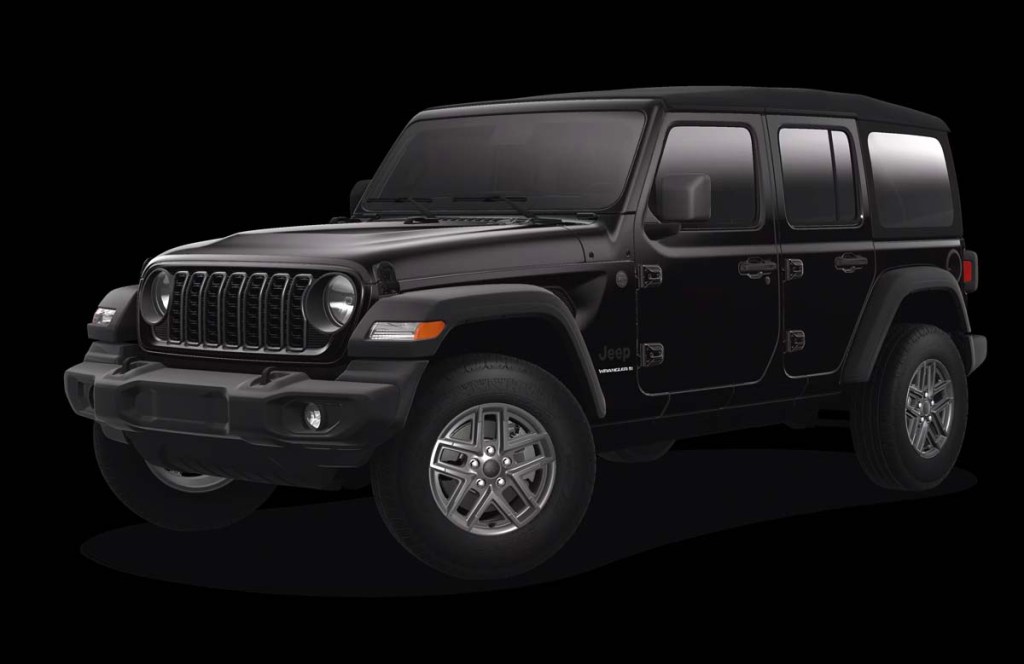
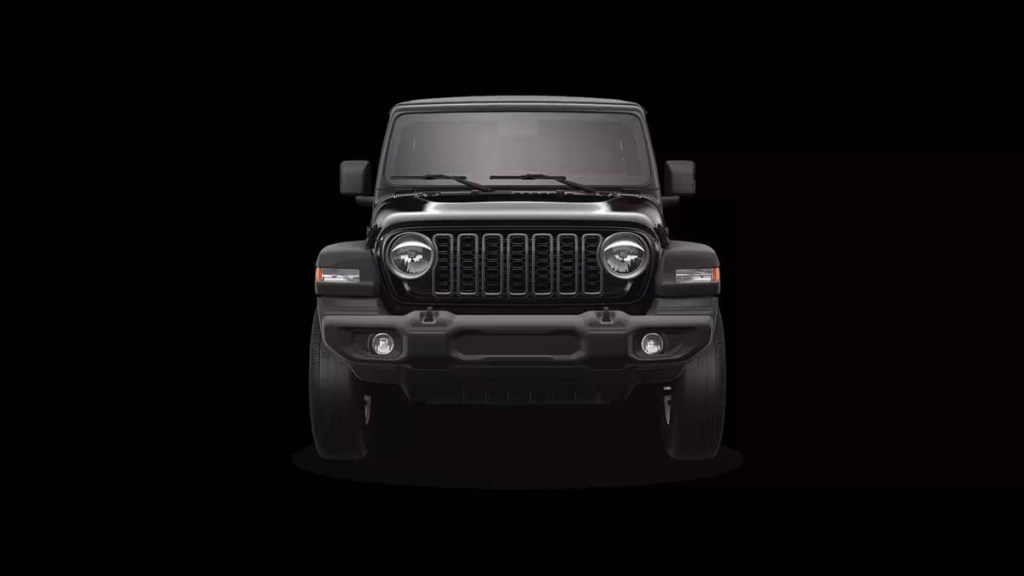


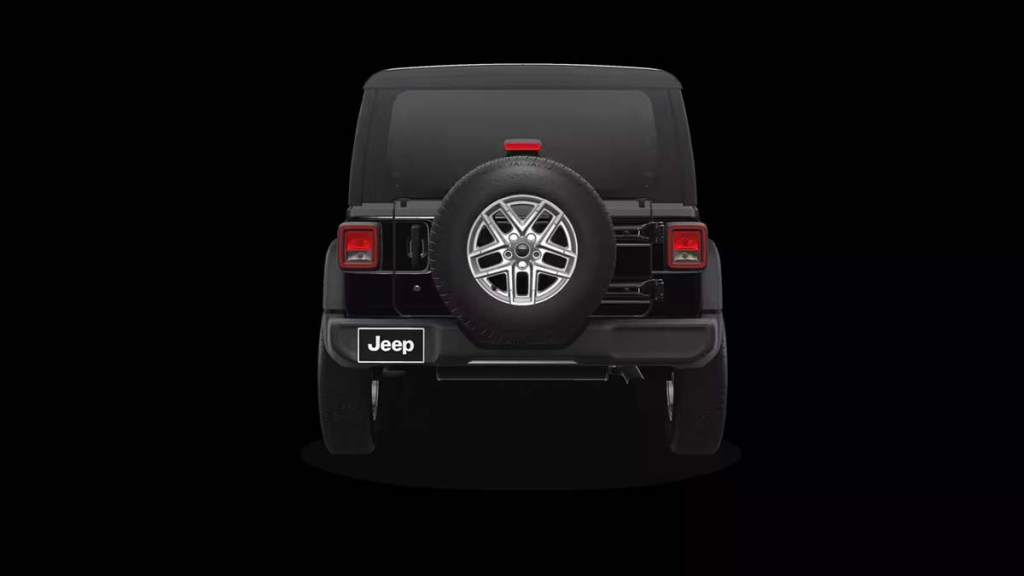
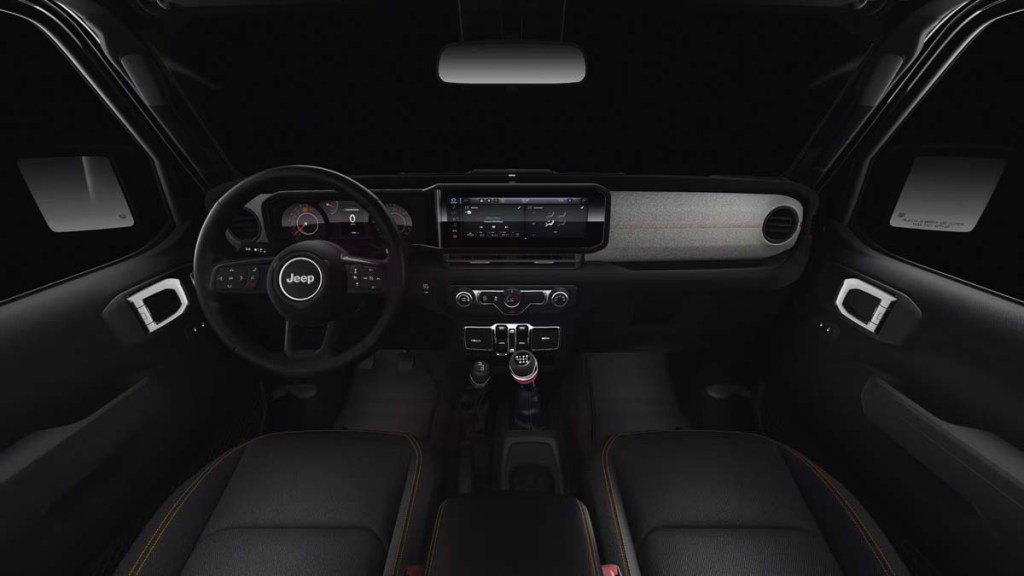
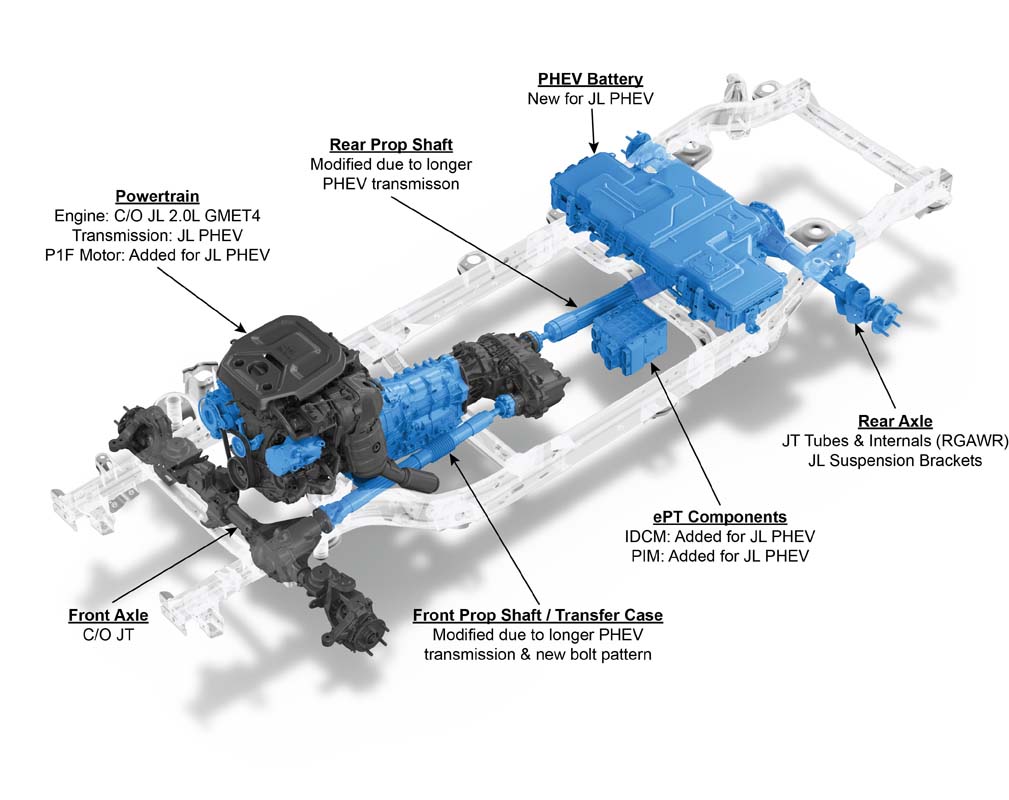
The ICE Wrangler is powered by a 2.0-liter, inline four-cylinder turbocharged gasoline engine that produces around 270 horsepower in most trim levels. The 4xe Wrangler also is powered by a 2.0-liter, inline four-cylinder turbocharged gas engine, but adds two electric motors and a 17-kWh lithium-ion battery pack.
One motor acts like an electric supercharger, providing an additional 44 horsepower to assist during acceleration. It also starts the engine and serves as a generator for regenerative braking. The second electric motor replaces the traditional automatic transmission torque converter, produces 100 additional horsepower and powers the Jeep in electric-only and hybrid modes. The 4xe’s gas-electric power combo produces about 375 total horsepower, giving the 4xe the edge in performance.
The ICE Wrangler provides no electric-only mode, while a fully charged Wrangler 4xe can run about 21 miles on electric power alone, again giving the 4xe the edge.
The ICE Wrangler gets about 21 mpg combined (depending on engine choice), while the 4xe Wrangler is EPA rated for 49 miles per gallon equivalent (MPGe). The 4xe easily wins in efficiency.
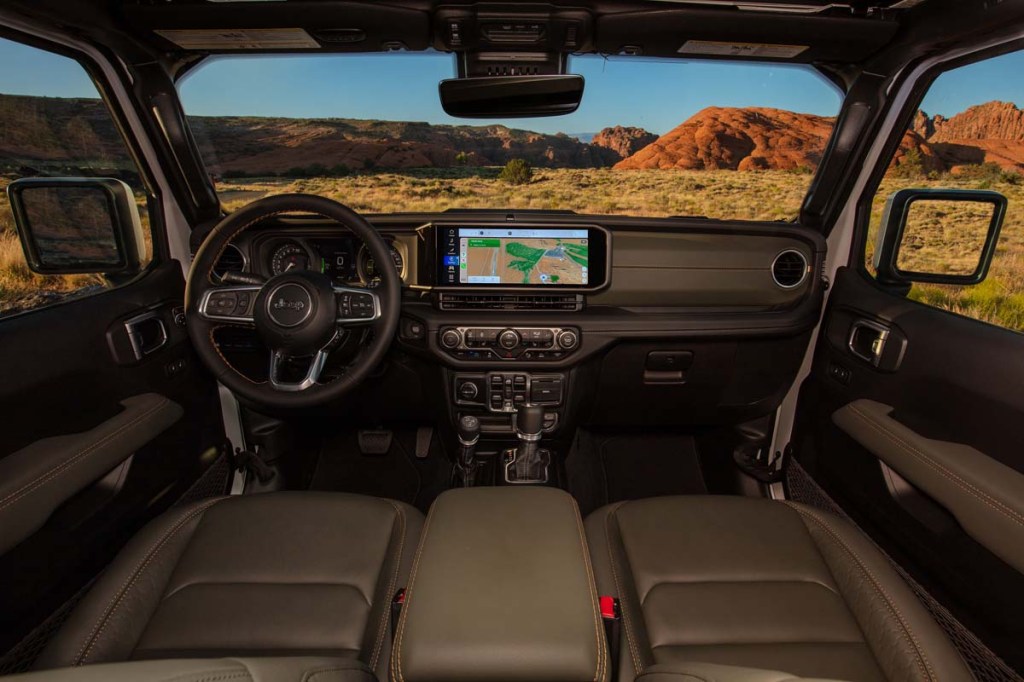
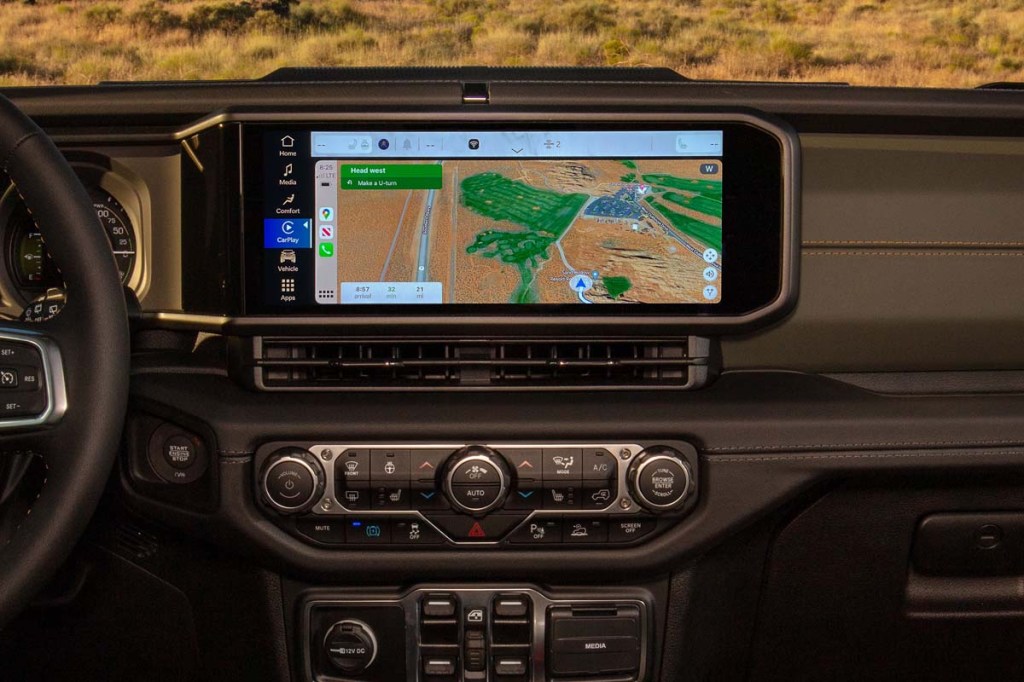
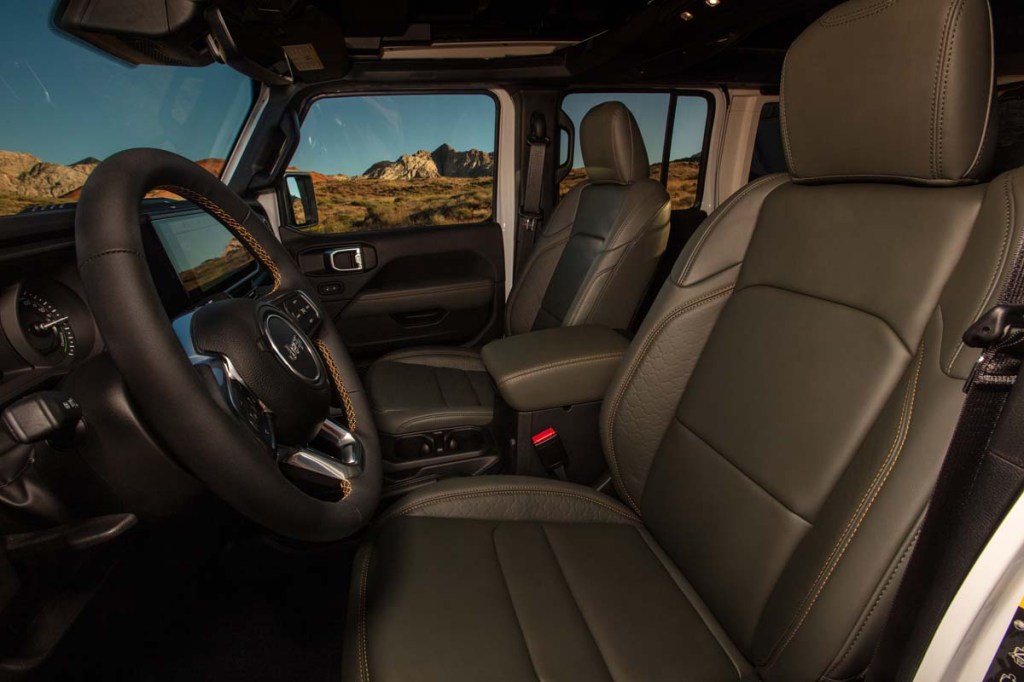
Both models can tow up to 3,500 lbs. and both share rugged off-road features such as 33-inch all-terrain tires, 10.8 inches of ground clearance, water-fording capability of up to 30 inches, electronic locking differentials for traction control, and similar infotainment, climate control and seating options. Consider it a tie on these points.
Cargo and passenger volume suffer somewhat in the 4xe due to the extra room needed for the battery pack and electric motors. Overall dimensions of the four-door 4xe and ICE Wrangler are similar, but the 4xe weighs about 800 pounds more, again due to the hybrid components. This makes braking distances longer for the 4xe and could make the 4xe sink more in mud compared to the gas-powered Wrangler. The 4xe also has a slightly lower departure angle due to battery protection equipment. The ICE Wrangler comes out on top here.


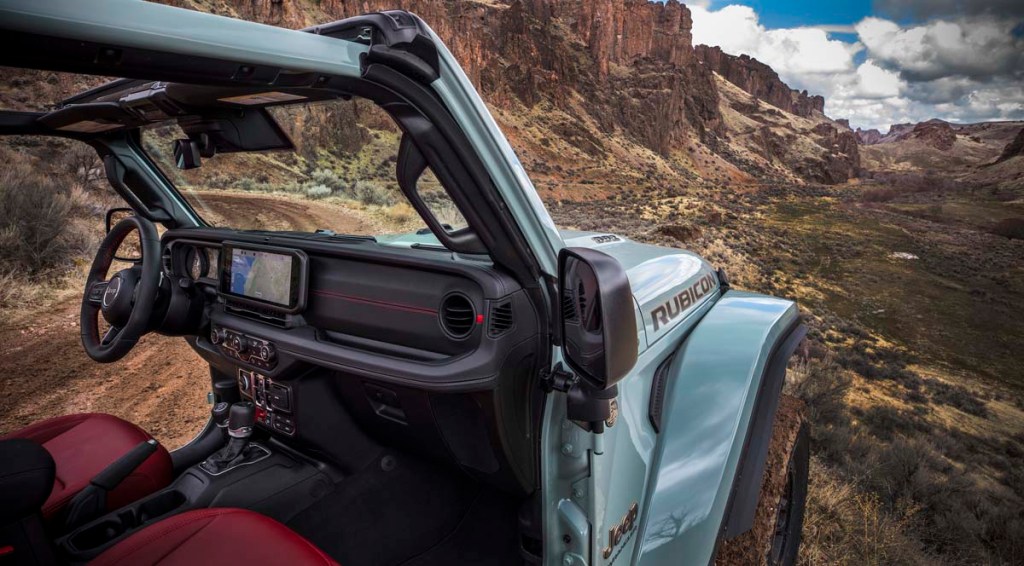


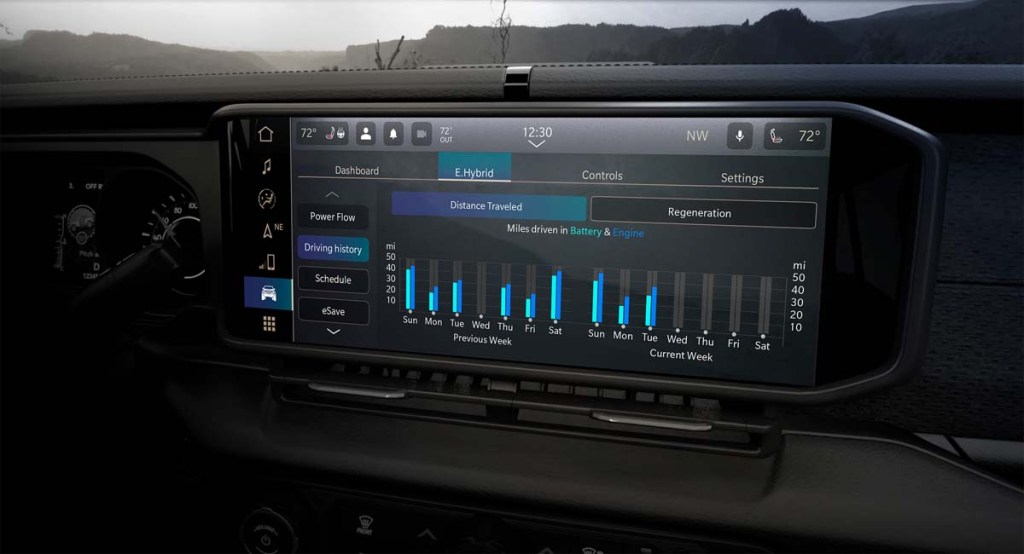

There are federal and local tax incentives for those buying PHEVs. Many regions offer tax credits or incentives for purchasing PHEVs. Buyers of the 4xe can benefit from these financial perks. These incentives vary by location, so it’s essential to check local regulations. The ICE Wrangler does not qualify for any eco-friendly incentives, so the 4xe wins here.
Both vehicles drive similarly, which is to say they excel on the trails but are a bit harsh and unwieldy on paved roads. You feel the extra weight of the 4xe when cornering and going over bumps, but not so much when accelerating because the 4xe compensates with its extra 100 horsepower. Consider it a tie.
Clearly, the 4xe Wrangler appeals to environmentally conscious buyers. Its PHEV system allows for electric-only driving, reducing emissions and reliance on fossil fuels. Owners can charge the battery at home or at public charging stations, contributing to a greener lifestyle. In electric mode, the 4xe operates silently. Off-road enthusiasts might appreciate this for stealthy maneuvers during trail exploration: They can navigate forest trails without disturbing the peace.
The 4xe is designed for Jeep lovers who want to explore nature while minimizing their environmental impact. Whether camping, beach driving or exploring the mountains, the 4xe delivers an environmentally friendly way to experience the great outdoors. That’s its appeal.
The 4xe offers three driving modes. Electric Mode prioritizes electric driving and avoids starting the ICE unless necessary (such as during hard acceleration or when the battery charge is low). Hybrid Mode is the default mode that balances electric and gasoline power. It starts the ICE more quickly during demanding situations. E-Save Mode prioritizes the ICE to save battery power, which is useful for preserving electric range for later use (such as silent off-road driving).



Charging the Wrangler 4xe is straightforward. An included Level 1 charging cable fully charges the battery in 12 hours. An optional Level 2 charger can fully charge the battery in approximately 2 hours. For home charging, consider upgrading to an available Jeep Brand Level 2 PHEV Home Charging Station. As with all PHEVs, owners must keep them charged to take advantage of their environmental benefits, otherwise the extra cost, weight and poorer fuel economy make them less economical than traditional ICE-powered vehicles.
Typical Wrangler buyers possess an innate sense of adventure. They crave exploration, whether it’s navigating rocky trails, sandy beaches, or snow-covered mountains. For them, the journey is as important as the destination. The thrill of off-roading and discovering hidden gems fuels their passion.
The data suggest that Wrangler buyers don’t mind paying extra for modern PHEV functionality that boosts efficiency and contributes to a cleaner world. The Wrangler 4xe is everything a Jeep is supposed to be, but with modern equipment designed to help save the environment. Jeep lovers obviously appreciate the effort and are speaking with their wallets.
Specifications
- Model: 2024 Jeep Wrangler 4xe Unlimited Sport S
- Engine: 2.0-liter, inline four-cylinder, turbo PHEV engine, dual electric motors, 400-volt lithium-ion battery pack.
- Transmission: 8-Speed automatic PHEV transmission.
- Overall length: 15 feet, 8 inches.
- Height: 6 feet, 2 inches.
- EPA/SAE passenger/cargo volume: 103/67 cubic feet.
- Weight: 5,075 pounds.
- Towing capability: 3,500 pounds.
- EPA city/highway/combined fuel consumption: 49 miles per gallon equivalent (MPGe). Premium gasoline recommended.
- Base price, including destination charge: $52,590.
- Price as tested: $52,590.
Disclaimer: The manufacturer provided the vehicle used to conduct this test drive and review. Photos ©Jeep/Stellantis
 Frank A. Aukofer
 Jason Fogelson
 Matthew P. Aukofer
 Tod Mesirow
 The Review Garage
Leave a comment