
~ A DriveWays Review ~
by Frank A. Aukofer
It’s likely that any number of new car intenders have never heard of Polestar, or if they have it’s mostly a mystery.
Polestar is a brand-new brand in the marketplace, just four years old, dispensing all-electric vehicles and owned by Sweden’s Volvo and its parent company, Geely of China. Some upcoming models will be manufactured in the United States.
Tested for this review was a top-line Polestar 2 with dual electric motors, all-wheel drive and a hefty price tag. All of that contributes to a quick performer with tidy dimensions that is more than up to the task of handling modern urban, suburban and rural traffic. It’s also a vehicle almost anyone would look forward to driving. Some might say, “fun to drive,” but that’s the worst cliché in automotive coverage.
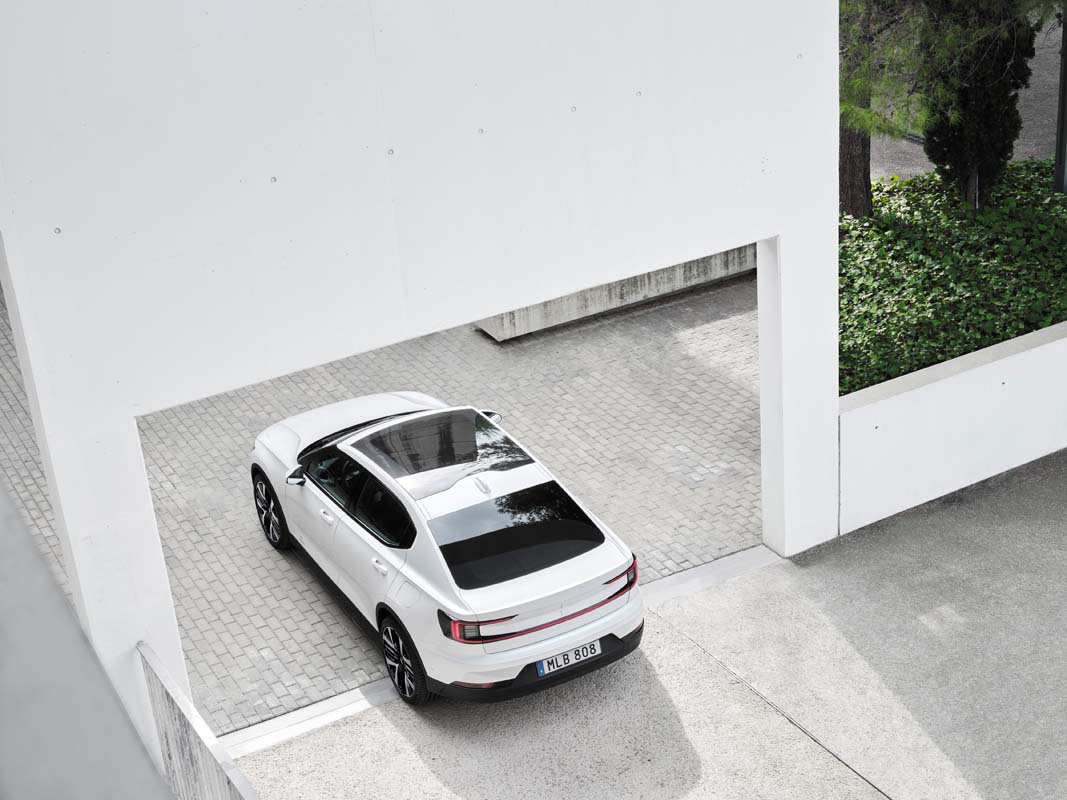
Start with the appearance and size. It’s a stylish compact four-door hatchback with a fastback roofline and attractive lines from any angle. It seats five—four in decent comfort while the center-rear passenger gets dissed by a hard, narrow cushion and a prominent floor hump. There’s just 14 cubic feet of cargo space behind the back seat under the power tailgate, so don’t count on a long trip with four friends carrying luggage.



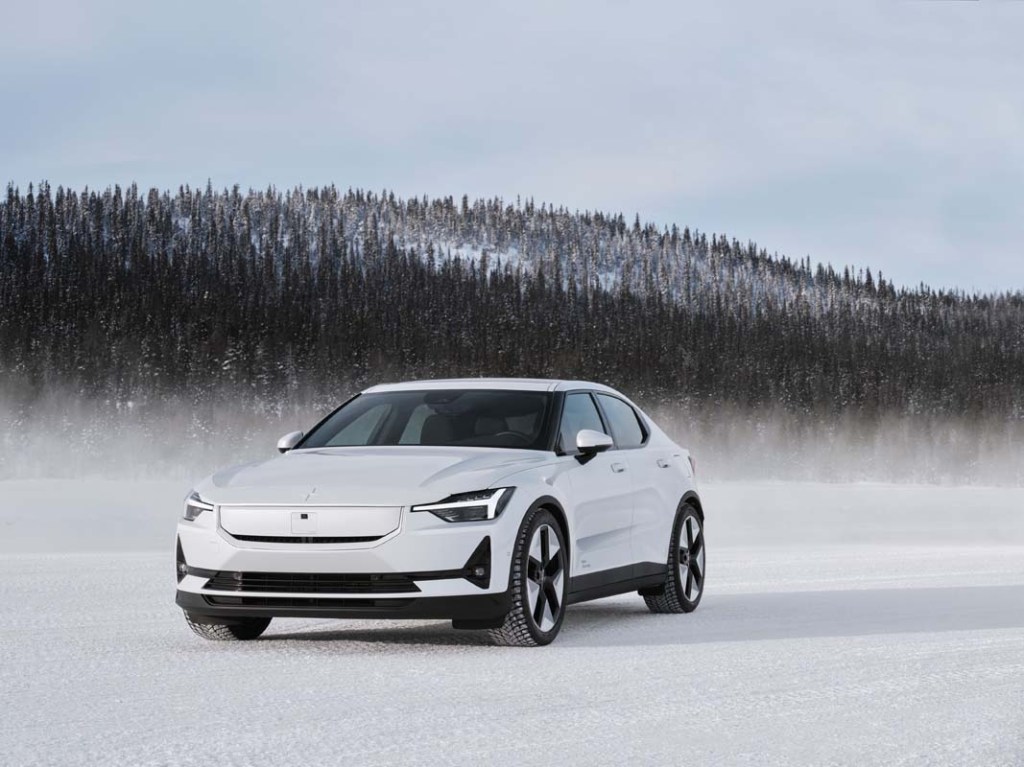

If you need to squeeze in a bit more for cargo, there’s an extra single cubic feet of space in the small “frunk”—the nickname for the front trunk that shares its space with mechanical and electrical components.
Dual electric motors drive the front and rear wheels, delivering 416 horsepower and 546 pound-feet of torque, or twisting force. As with other electrics, the torque delivery is instant at any speed, creating that increasingly described feeling of being shot out of a cannon if you punch the loud pedal to the floor. The manufacturer says the Polestar 2 can nail 60 miles an hour from rest in four seconds.
That’s a kick. But the Polestar has much more to offer. The handling, either in straight-line driving or negotiating formidable twisting roads in the mountains, is gratifyingly responsive. The car reacts instantly to even small steering inputs and feels planted on tight curves.
At the same time, it manages to deliver a reasonably comfortable ride—not the pillowy sensation of an old-fashioned U.S. large sedan, but a feeling of poise and control despite the occasional jolt from a pothole or inconsiderate bump in the pavement.


Moreover, the Environmental Protection Agency, which oversees fuel economy, gives the Polestar 2 a city/highway/combined miles per gallon equivalent rating of 112/100/106 MPGe. It has a range of about 270 miles on a full charge, and can be fully charged overnight or less on a 220-volt level-two home charger.
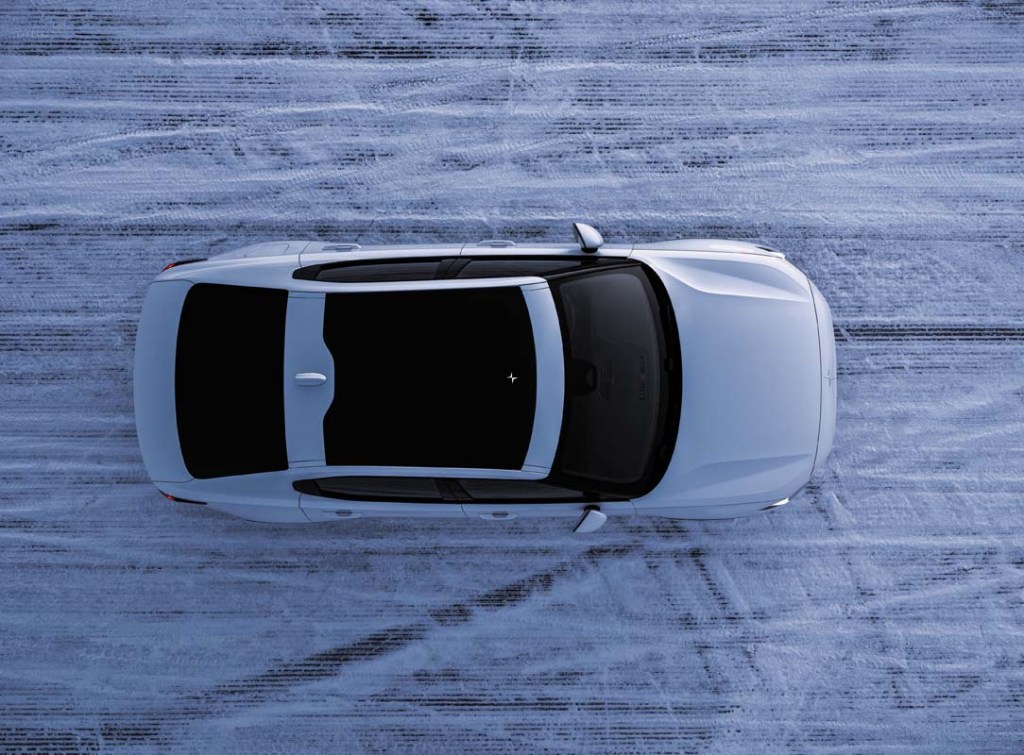
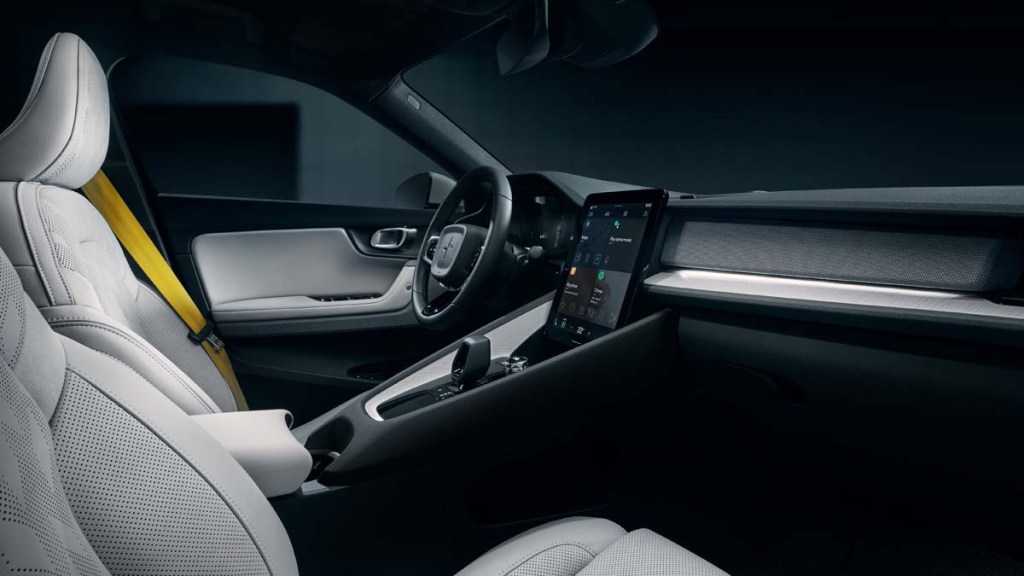
Inside, the accommodations look as if they were lifted from a luxury car: perforated leather upholstery (or vegan fabric if you prefer); panoramic glass sunroof; premium Harman Kardon audio, dual-zone automatic climate control, Google navigation system, Android infotainment, Apple Car Play, power tailgate, Bluetooth connectivity and heated seats.
Full safety equipment includes adaptive cruise control, automatic emergency braking front and rear; rear cross-traffic alert and mitigation; blind-spot information with steering assist; road run-off mitigation; surround-view camera, and road-sign information.
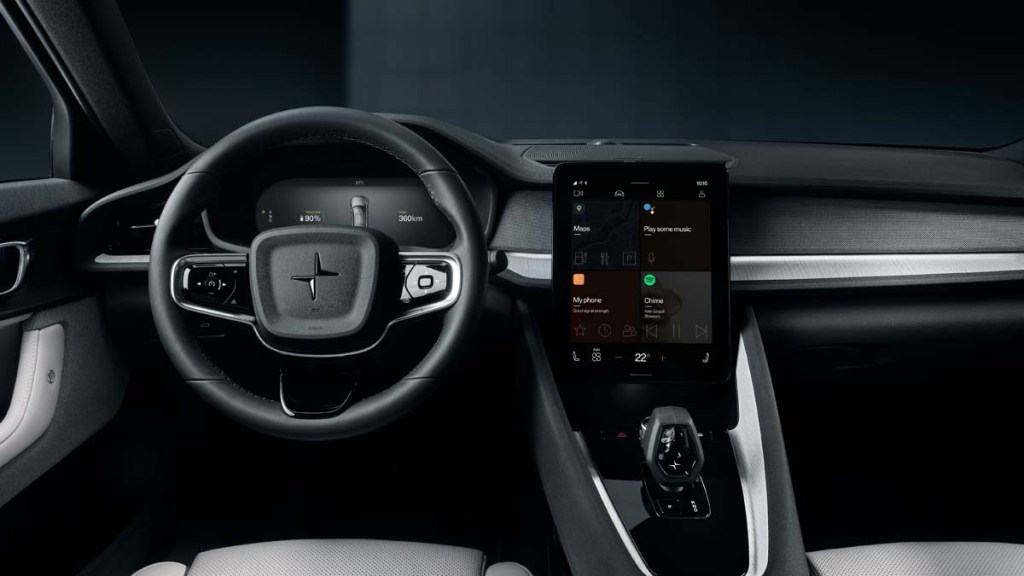
Inside, there’s a 12.3-inch instrument cluster with digital readouts, as well as an 11.2-inch center screen that displays Google’s Android infotainment system, which includes Google Maps navigation and locations of nearby charging stations. It even informs how long you’ll have to wait to get charged. Sirius XM satellite radio also is part of the standard equipment.




The hiccup in all this is the base price of $64,400, including the destination charge. Tack on the standard and optional luxury accouterments, and the bottom-line sticker jumps to $69,650. The price included $4,000 for ventilated nappa leather and $1,250 for metallic paint. All that could cause a number of potential buyers to choose a different fork in the road.
On the plus side, the Polestar has some of Volvo’s genes and engineering expertise. The Swedish company has long enjoyed a reputation for cutting-edge design and reliability, including the invention of the three-point seatbelt, which now has become standard fare in nearly every motor vehicle. The Polestar 2, for all of its virtues, competes against other fine electrics, including the Tesla Model 3, Hyundai Ioniq 6, BMW i4, Kia EV6 and Volvo’s own XC40 Recharge, which uses some of the same components as the Polestar.
Specifications
- Model: 2024 Polestar 2 Long Range Performance Plus dual motor four-door, five passenger hatchback.
- Motor: Electric; 455 hp, 546 lb-ft torque.
- Transmission: Direct drive automatic with all-wheel drive.
- Overall length: 15 feet 1 inch.
- Height: 4 feet 10 inches.
- EPA/SAE passenger/cargo volume: 94/14 cubic feet.
- Weight: 4,515 pounds.
- Towing capability: 2,000 pounds.
- City/highway/combined miles per gallon equivalent: 112/100/106 MPGe.
- Range: 270 miles.
- Base price, including destination charge: $64,400.
- Price as tested: $69,650.
Disclaimer: The manufacturer provided the vehicle used to conduct this test drive and review. Photos ©Polestar
 Frank A. Aukofer
 Jason Fogelson
 Matthew P. Aukofer
 Tod Mesirow
 The Review Garage
Leave a comment