

~ A DriveWays Review ~
by Frank A. Aukofer
Modern automobiles, trucks and SUVs, even those with uncanny robotic qualities like the 2023 Toyota Venza’s hybrid power train, automatic emergency braking and adaptive cruise control, possess distinct personalities.
Some concentrate on all-out performance in acceleration, braking and handling; others focus on ride comfort and quiet running, and still others attempt to deliver outstanding fuel economy at competitive prices. Because first impressions are important, all endeavor to present stylish eye candy.
The tested 2023 Toyota Venza Limited excels on the styling front, with distinctive body sculpturing that delivered the perennially-sought impression that it was moving while standing still. It also presents an attractive and comfortable interior for five passengers and cargo, topped off by Star Gaze, Toyota’s name for its panoramic sunroof, which switches from clear glass to smoky opaque that admits light but blocks harsh sunlight, as on a cloudy day.
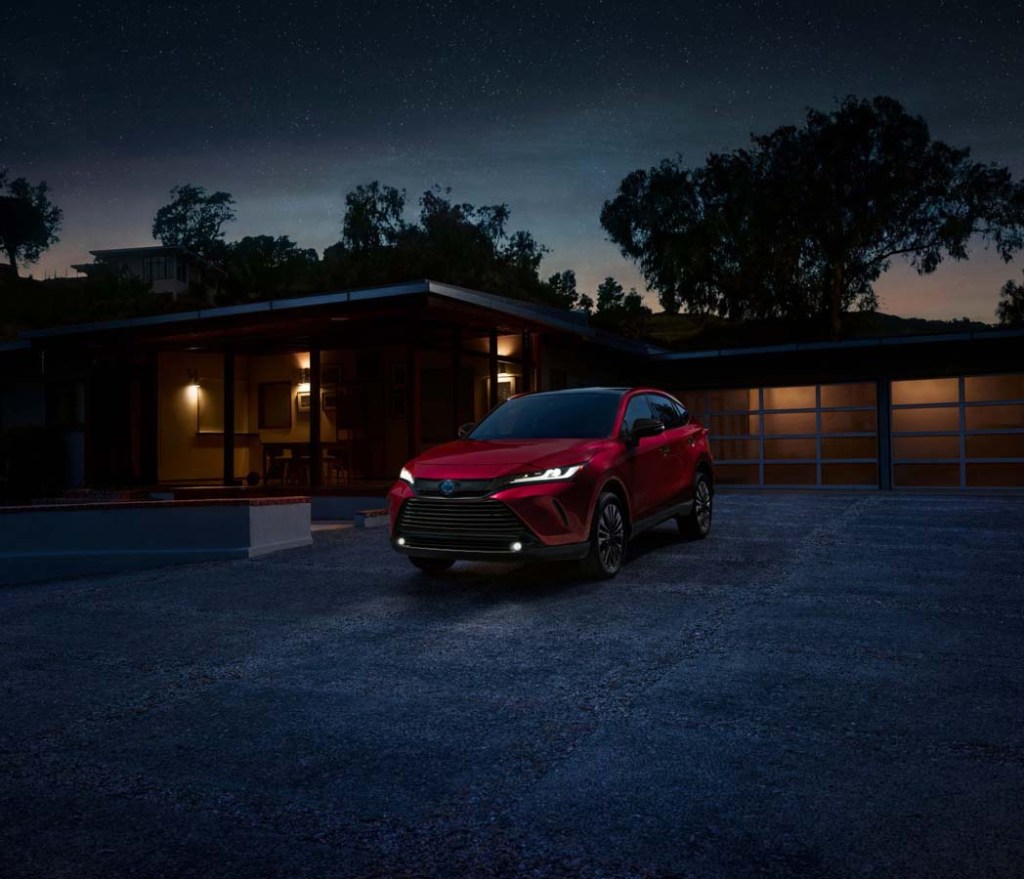
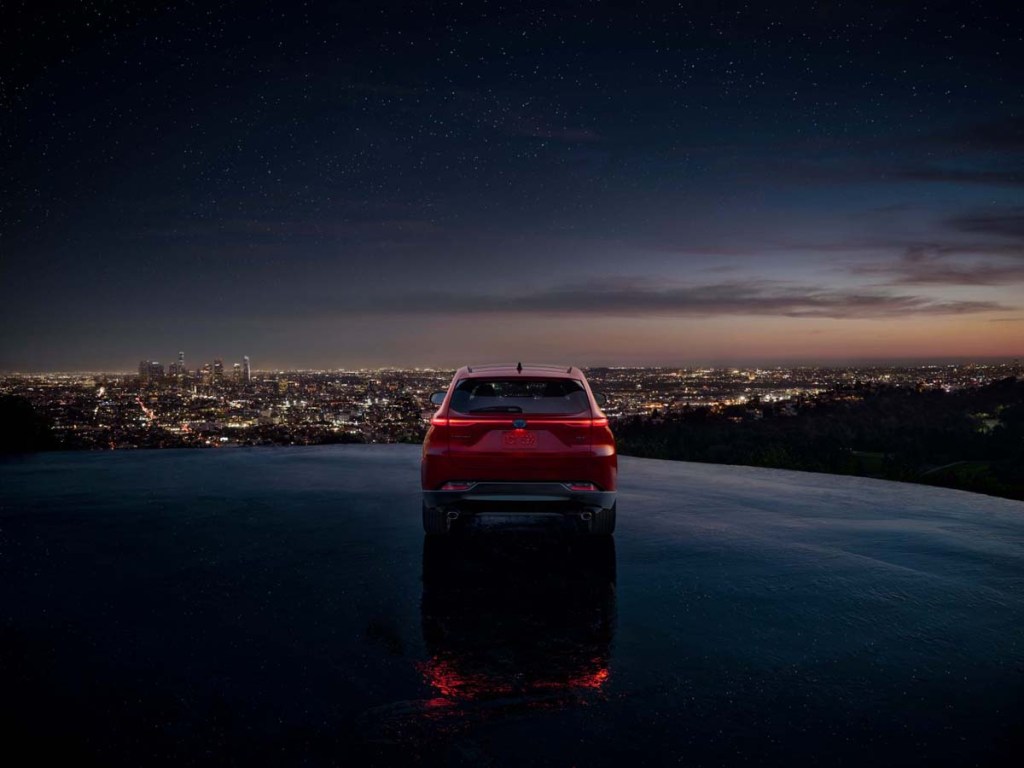
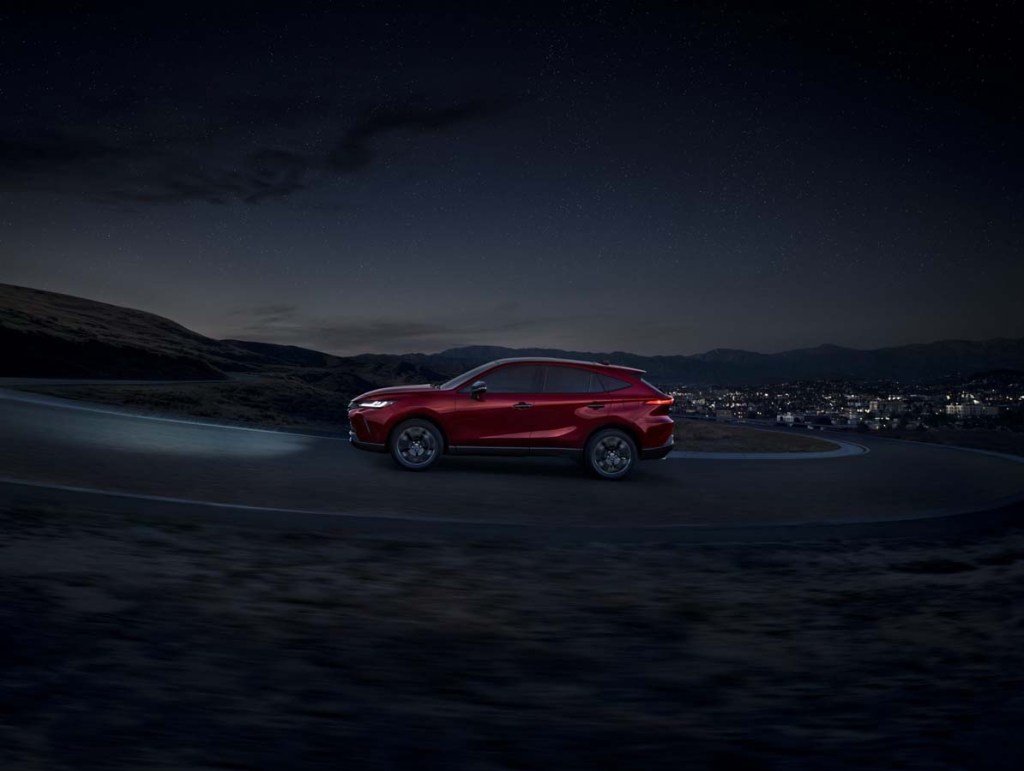
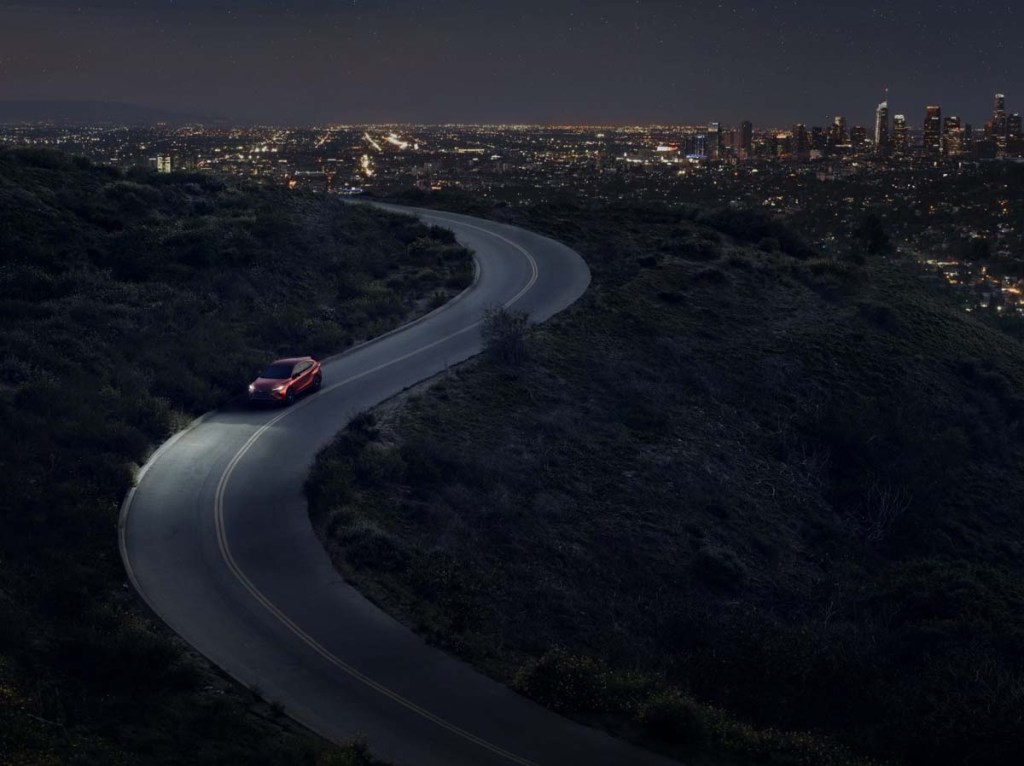
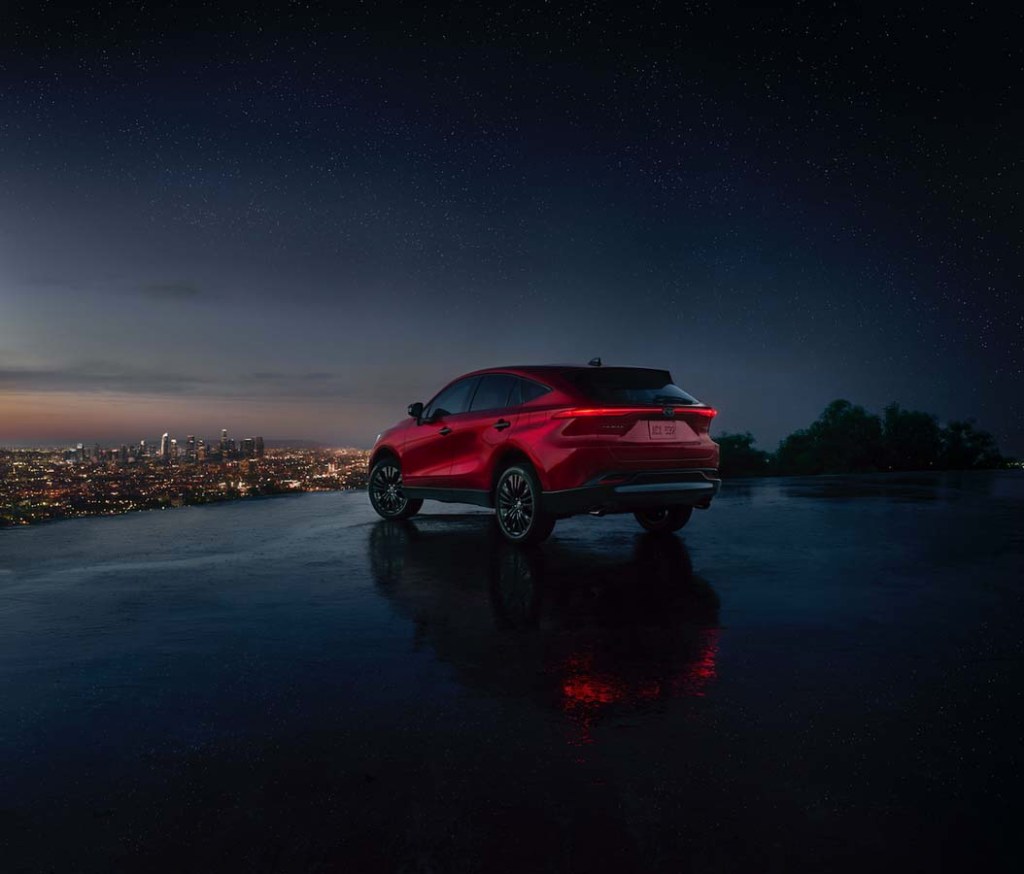
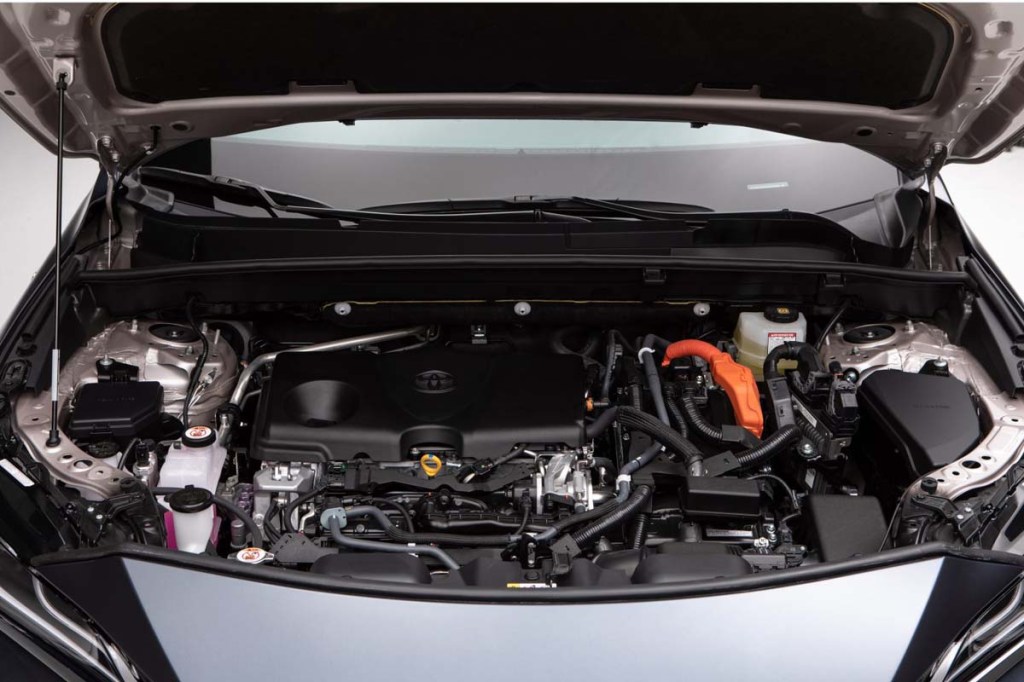
All four of the 2023 Venza models, called trim levels in the industry, come standard with hybrid power trains and all-wheel drive. The innards are similar to those on Toyota’s RAV4 crossover SUV: a 2.5-liter four-cylinder gasoline engine with electric motors (three on the Venza; two on the RAV4). The overall system makes 219 horsepower and 163 pound-feet of torque. But the torque figure is misleading because it only refers to the gasoline engine. A Toyota spokesperson said the company did not publish overall torque numbers on hybrids.
There’s enough juice and ICE under the hood to rate the Venza’s towing capability at 3,500 pounds. (ICE stands for “internal combustion engine”).
Power gets to all four wheels via a continuously variable automatic transmission (CVT), which uses interior belts and pulleys to multiply engine power. Though CVTs have been criticized for sometimes feeling and sounding as if they are slipping, the Venza’s is a smooth operator that takes hold and gets up to speed without detectable shift points.
The hybrid system enables four drive modes: EV, for purely electric driving, which automatically switches back to gasoline-electric when the battery pack is depleted; ECO for best fuel economy; Normal for everyday chasing around, and Sport, for—well, you know.
There are four Venza versions, or trim levels, starting with the base LE at $35,955, including the destination charge. Driven for this review was the top-line Limited, which started at $43,075 including the destination charge, and topped out with options at $45,097.
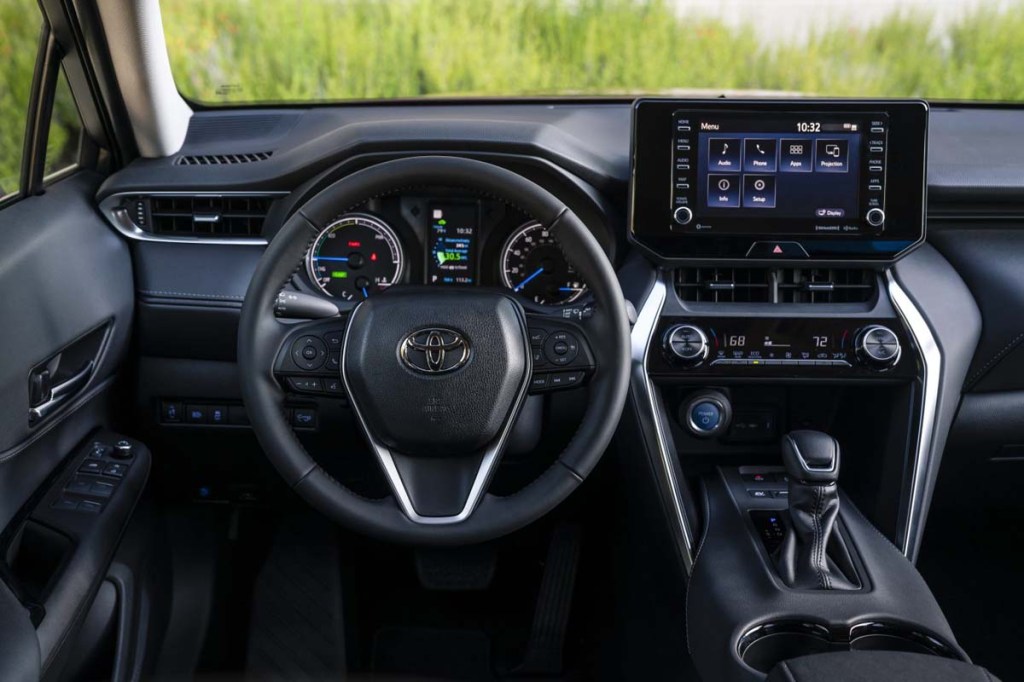
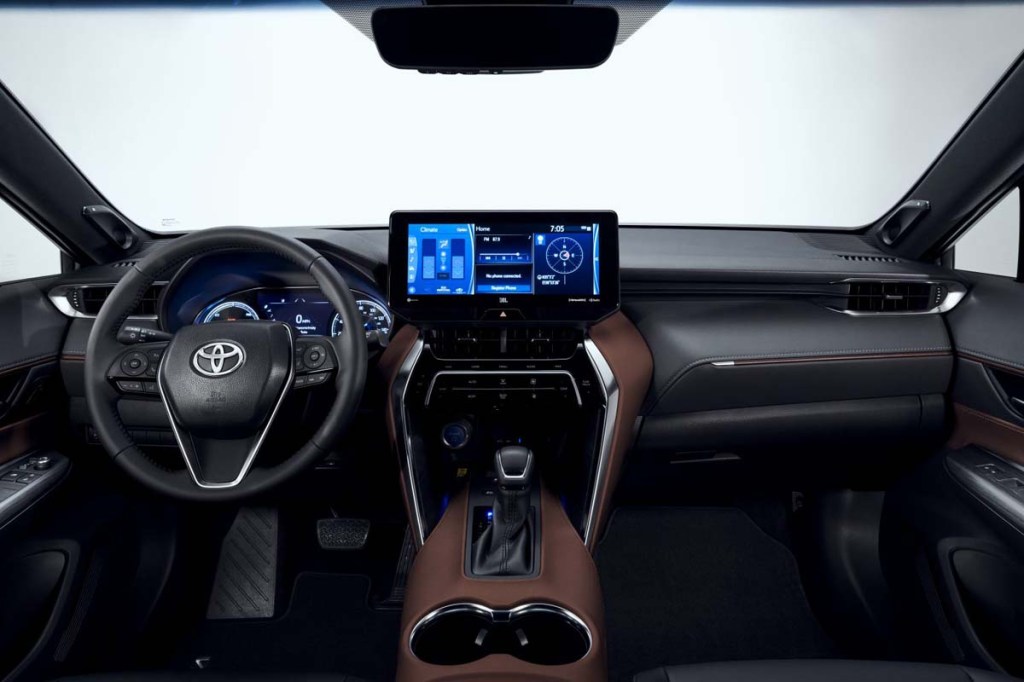
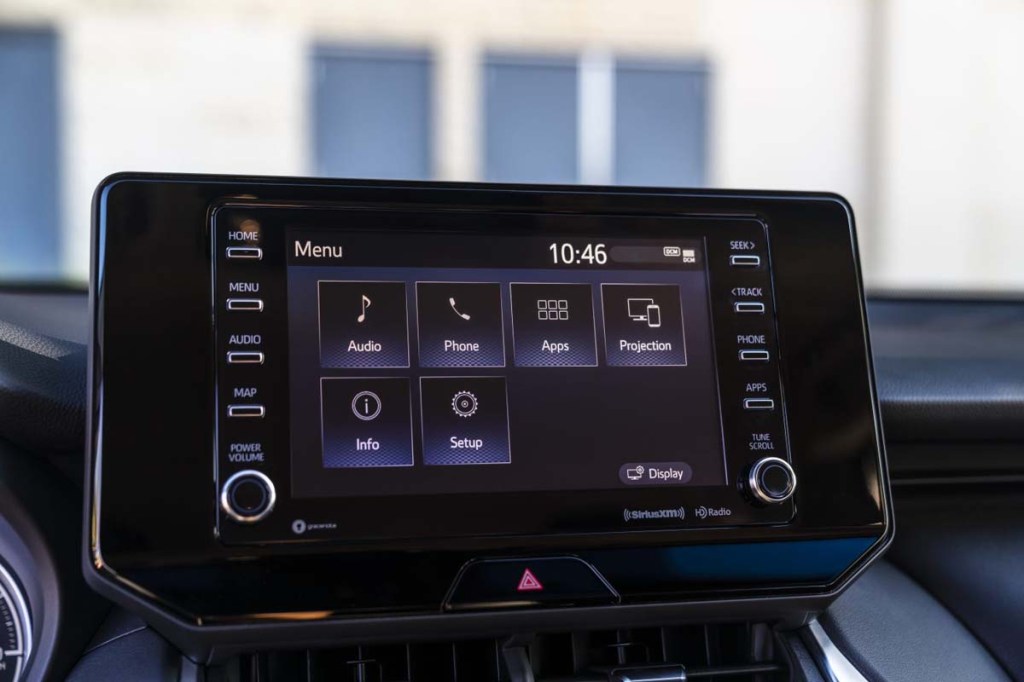
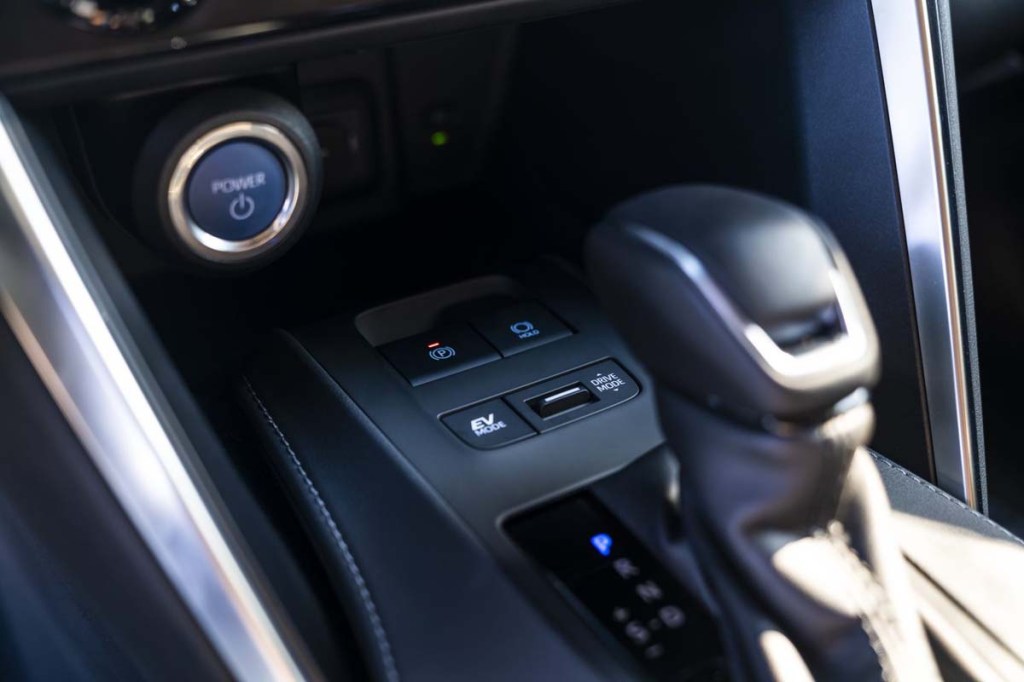
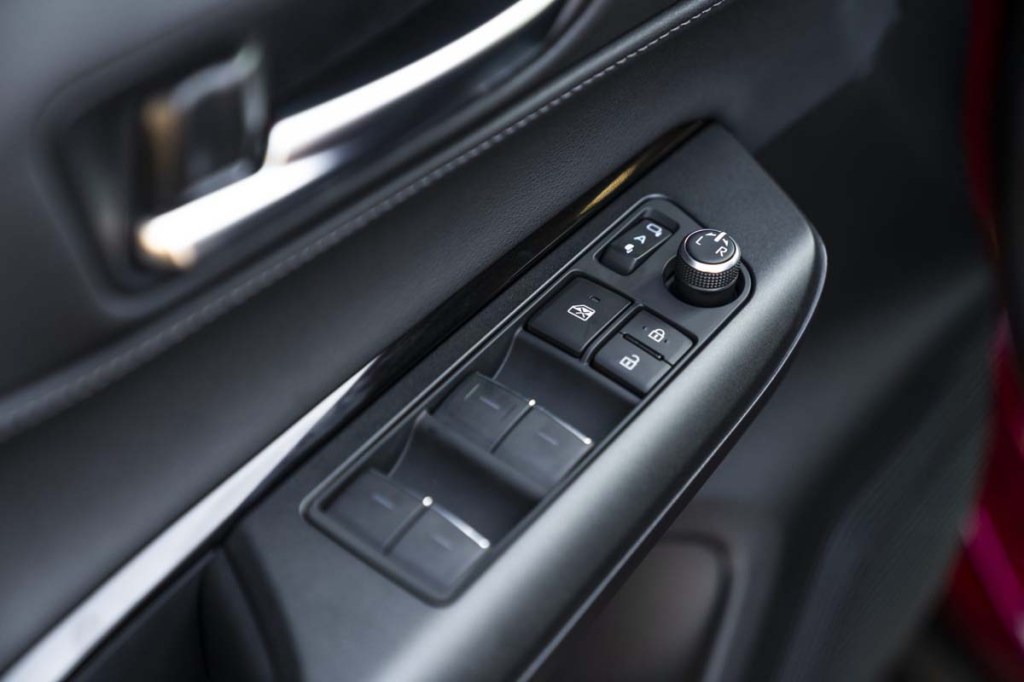
Standard equipment on the Limited model includes Toyota’s Safety Sense pre-collision automatic emergency braking; dynamic radar adaptive cruise control; lane-departure warning with steering assist; dual-zone automatic climate control; automatic headlight high beams; backup camera with camera washing; blind-spot monitor; projector LED headlights; head-up display; premium audio system; Apple Car Play and Android Auto; SXM satellite radio; 12.3-inch multi-media center screen, and heated and ventilated power front seats. Upholstery is trimmed with Toyota’s comfortable Softex faux leather.
It would be difficult to make a case that the tested Venza Limited is tops in its class in every driving category. Its strong suit is that performs well across the board. It’s not the fastest off the line, with a zero to 60 miles an hour run in the seven-second range. Top speed is a respectable 118 miles an hour.
It always feels planted and cruises quietly on the highway, making the audio system and ordinary conversation easily heard. The ride is decent on most paved surfaces and handling is secure and confident on curving roads. With almost eight inches of ground clearance, it also has the equipment to handle some off-road terrain. Where it does excel is in fuel economy, with a city/highway/combined rating of 40/37/39 miles to the gallon on regular gasoline, as certified by the Environmental Protection Agency.
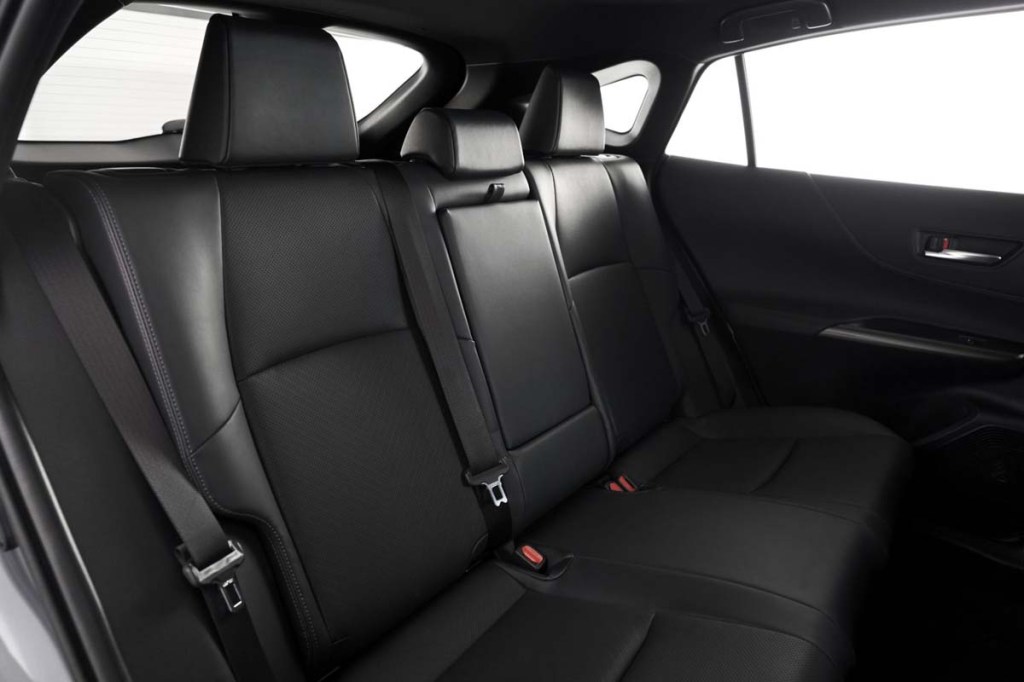
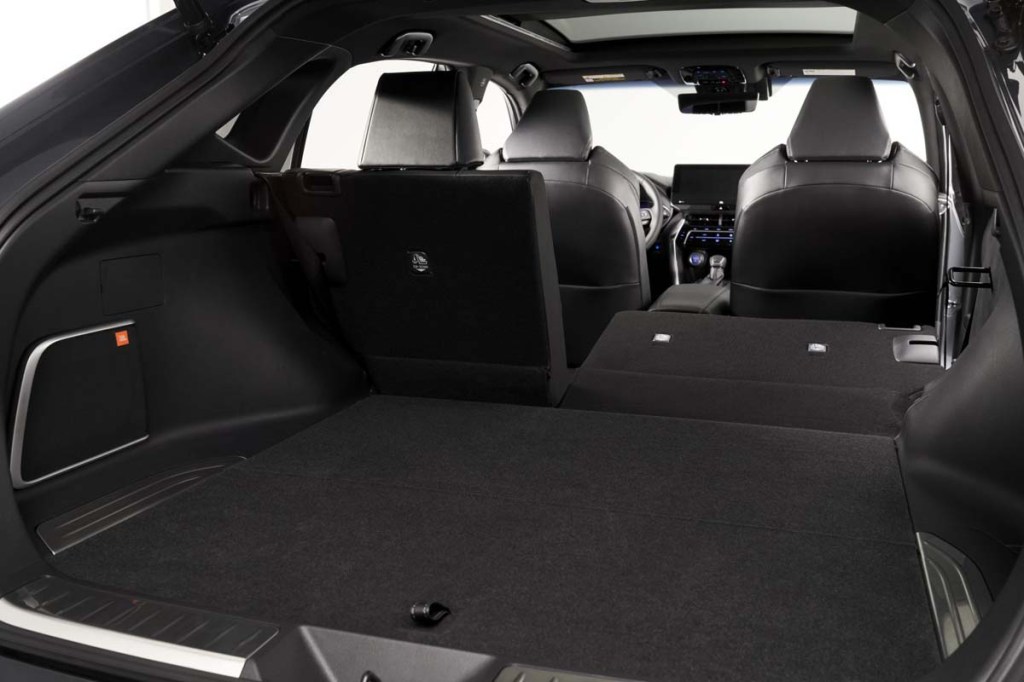
The Venza is about the same size as the less-expensive RAV4: 15 feet 7 inches long to the RAV4’s 15 feet 1 inch. It has 95 cubic feet of passenger space and 29 cubic feet for cargo behind the second-row seat, compared to the RAV4’s 99 and 38 cubic feet. If they were sedans, both would be classified by the EPA as large cars. The Venza’s smaller space likely resulted from cushier seats and other interior trim.
The EPA, however, does not have finely-tuned categories for crossover sport utility vehicles. Both the Venza and RAV4 are classified as “small” SUVs. That’s debatable. What is not at issue is the Venza’s all-around capabilities and good road manners.
Specifications
- Model: 2023 Toyota Venza Limited hybrid four-door crossover sport utility vehicle.
- Engine: 2.5-liter four-cylinder with three electric motors; 219 total system hp, 163 lb-ft torque.
- Transmission: Continuously variable automatic with all-wheel drive.
- Overall length: 15 feet 7 inches.
- Height: 5 feet 6 inches.
- EPA/SAE passenger/cargo volume: 95/29 cubic feet.
- Weight: 3,880 pounds.
- Towing capability: 3,500 pounds.
- EPA city/highway/combined fuel consumption: 40/37/39 mpg. Regular gasoline.
- Base price, including destination charge: $43,075.
- Price as tested: $45,097.
Disclaimer: The manufacturer provided the vehicle used to conduct this test drive and review. Photos ©Toyota
 Frank A. Aukofer
 Jason Fogelson
 Matthew P. Aukofer
 Tod Mesirow
 The Review Garage
Leave a comment